Can A US Citizen Visit Monaco?
Yes, US citizens can visit Monaco visa-free with a passport. Entry rules, transport from Nice, ticket prices and what Americans should know before a day trip.
Yes, a US citizen can visit Monaco freely, with no visa and no Monegasque paperwork. Entry works through France, there is no border check on the train or the road between Nice and Monaco, and a valid US passport is the only document required. Americans arrive by train, bus, tour van, helicopter and, on cruise call days, by tender.
Monaco is one of the easiest microstates in the world for an American to reach. It sits at the eastern end of the French Riviera, about 20 minutes from Nice by regional train, and it uses the euro, French postal codes and, for practical travel purposes, French entry rules. The whole territory covers roughly 2.08 square kilometers, about 208 hectares, with a resident population of 38,857, so nothing inside it is more than a short walk or a local bus ride from anything else. That compact scale is exactly why so many visitors tack Monaco onto a stay in Nice, and our guide to squeezing Monaco into a day trip from Nice explains how to make the most of it.
The question worth answering is not whether an American can visit, but what the visit actually involves: which documents to carry, how the border really works, what things cost once you are inside, and whether the palace, the casino or the Grand Prix circuit will be open when you land. Those answers change with the season, and a few of them changed recently. The shared half-day excursion from Nice that covers Eze, Monaco and Monte-Carlo starts at $40.16 per person, which makes the "can I even go" question cheaper to answer than most Americans expect. For a fuller picture of what awaits once you clear the border, the guide to how Monaco welcomes American visitors covers the casino dress code, whether English gets you by, and which tours suit a first trip.
What Documents Does A US Citizen Need?
A valid US passport is the document a US citizen needs, and it should stay on your person rather than locked in a hotel safe in Nice. Monaco follows France's entry rules under the same visa-free arrangements that cover France, so no separate Monegasque visa is required for short stays, and routine passport or customs checks rarely happen on the train or road from France.
The passport detail matters more than the visa detail. Because there is no routine border check, many travelers never show a document at all on the way in. But Monaco is a sovereign principality with its own police, and identity checks can happen, particularly around casino entry, high-security events and Grand Prix week. The Casino de Monte-Carlo is strict about this: entry to the gaming rooms from 14:00 is limited to visitors 18 and older, and the operator requires a valid national ID card or a passport with a photograph, with driving licences, photocopies and digital IDs explicitly not accepted. An American visitor with only a driver's licence will be turned away at the door.
For readers planning the practical side, the entry requirements page maintained by the Principality's embassy in France summarizes the rule: EEA nationals may use an ID card, everyone else, including US citizens, needs a passport, with any visa requirement following the same rules that apply to France. There is no Monaco-specific visa to apply for and no arrival form unique to the Principality.
A few practical notes round this out. First, passport validity: because entry follows French practice, the requirement is a valid passport, with any visa step following the Schengen rules that apply to American visitors, so check your expiry date months before flying. Second, if you arrive by cruise ship at Villefranche-sur-Mer or Monaco's own tender port, the same open-border logic applies; tenders land you directly in either town with no separate immigration step. Third, if you plan to rent a car in France and drive the corniche roads, carry the passport then too, since there is no border check on the train or road. For the deeper version of this topic, the guide on Monaco Day Trips covers arrival logistics from every direction, and the dedicated Monaco passport and entry guide works through edge cases like minors and non-US passports.
How Do You Get To Monaco From Nice?
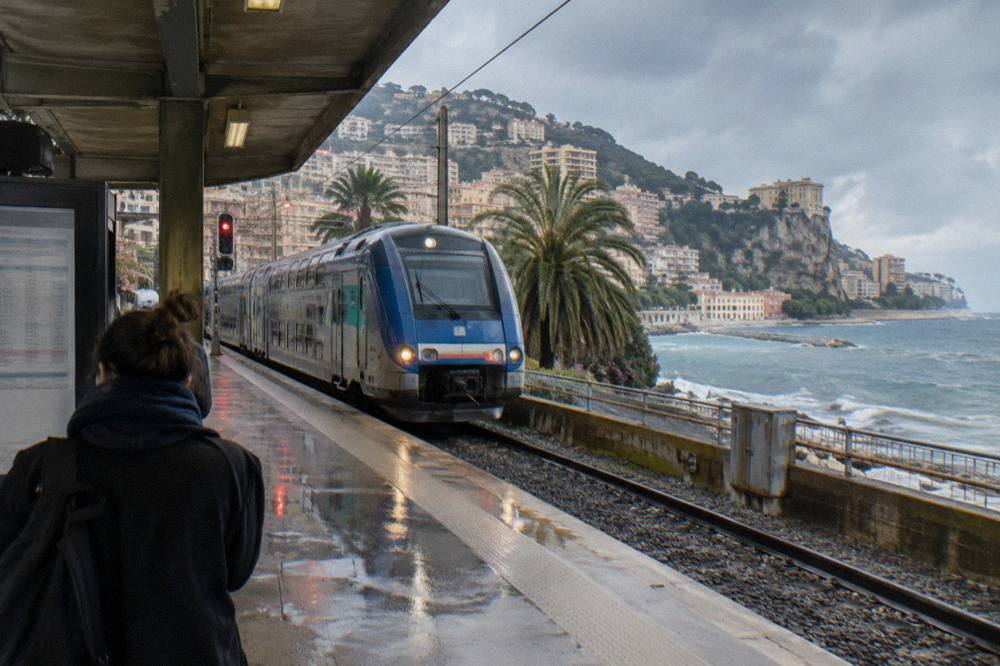
The fastest ordinary route is the regional TER train from Nice to Monaco, which takes about 20 minutes and costs 6.10 EUR for a full single fare, roughly 4.30 EUR with a ZOU! reduction card. The coastal bus, line 600, costs 2.10 EUR paid contactless or 2.50 EUR in cash and takes about an hour. A shared helicopter transfer from Nice airport takes about 7 minutes and starts around 195 EUR per seat.
The train is the default answer for a reason. The station, Gare de Monaco-Monte-Carlo, sits at Place Sainte-Dévote, a few minutes' walk uphill from the casino quarter and a short bus or stiff climb from the palace rock. Service on the coastal line runs frequently, with trains every 15 minutes or so at peak times, and there is no border formality of any kind on the way in. One caveat for late-2026 travelers: engineering works on the Marseille to Ventimiglia line suspend all Nice to Monaco to Menton trains all day on 10 November 2026 and until about 17:30 on 11 November 2026, with limited bus substitution, so anyone flying in that week should check the operator's traffic page before committing to a schedule.
The bus suits travelers staying near the Nice end of town or watching a budget. Line 600, the successor to the old line 100, runs from Square Normandie Niemen in Nice through Monaco toward Menton, with departures every 10 to 15 minutes on weekdays and roughly every 20 minutes on weekends. It uses the lower corniche road, so the views are part of the fare. The one-hour journey time is honest about traffic: the coastal road slows badly in summer.
| Option | Approx. time | Cost (one way) | Notes |
|---|---|---|---|
| TER train, Nice to Monaco | about 20 min | 6.10 EUR full single | No border check; frequent service |
| Bus line 600 | about 1 hour | 2.10 EUR contactless, 2.50 EUR cash | Lower corniche road, sea views |
| Helicopter, Nice airport | about 7 min | from about 195 EUR per seat | Shared scheduled services, transfer at each end |
| Taxi or rideshare, Nice airport | 30 to 45 min | about 90 to 110 EUR | Fixed zone rates, higher at night |
Beyond the do-it-yourself options, most American visitors who book anything at all book a guided day. Guided day tours from Nice and Cannes that include Monaco, often paired with Eze or Monte-Carlo, vary in price with duration and group size, and the shared half-day from Nice starts from $40.16 per person. The full-day Monaco, Monte-Carlo and Eze option gives the same corridor with more time in each stop, which suits travelers who want the palace rock, the casino square and a hill village without watching a clock. You can compare the Monaco tour formats side by side before committing, and the train from Nice to Monaco guide covers ticket machines, apps and the ZOU! card in detail.
Do US visitors need to think about driving? Not really. Parking in Monaco is possible but expensive, the roads are steep, and the train beats the car on the corridor almost every time. Save the rental car for the interior hill towns.
Do You Need A Visa For A Short Stay?
No. US passport holders visit Monaco under the same visa-free arrangement that covers France, and Monaco issues no visa of its own. A tourist visit of ordinary length needs only the passport; anything longer, or anything involving work or study, follows French rules because the Principality applies them by treaty. There is no arrival card, no entry stamp unique to Monaco and no exit check.
The visa question comes up because Monaco is not formally a Schengen member, and that technicality confuses search results. The practical reality: Monaco's border with France is open, there is no routine control on the train or the coastal road, and the Principality's published entry guidance routes non-EEA visitors, Americans included, to passport plus whatever visa rules France applies. For a US citizen on a holiday, that means visa-free entry, the same as arriving in Paris.
Three practical consequences follow. First, your "entry" to Monaco is legally your entry to France, so your US passport and any French admission are what count. Second, if you are on a cruise calling at Villefranche-sur-Mer, the tender ride to shore is the whole arrival process. Third, if you overstay whatever allowance France grants, the problem is with France, not Monaco, and it plays out at a French airport on your way home. None of this touches a day visitor.
One group should plan a little further ahead: Americans combining Monaco with Italy. Menton is 10 to 11 minutes from Monaco by train for about 4 to 5 EUR, and Ventimiglia, just across the Italian border, is a common market stop. Both directions run through French exit territory where checks can appear, so carry the passport on any cross-border excursion even though most days nobody asks.
What Can You Actually See On A One-Day Visit?
Plenty, but not everything: the Prince's Palace State Apartments are closed for the season and reopen in spring 2027, with no exact date published, while the Oceanographic Museum, the cathedral, the casino exterior, the Exotic Garden and the Grand Prix circuit are all workable stops. The Oceanographic Museum costs 20.50 EUR for an adult at current reduced rates, the Exotic Garden is 12 EUR, and the cathedral is free.
The palace closure is the single biggest schedule fact for 2026-27 planning. The 2026 season ran from 30 March to 15 October, and the official palace site states the State Apartments reopen for a new season in spring 2027 without committing to a date. Until then, the Palace Square, the exterior, the ramparts views over the port and the changing of the guard at 11:55 each day remain fully accessible and free, so the Rock is still worth the climb, just do not promise anyone the throne room.
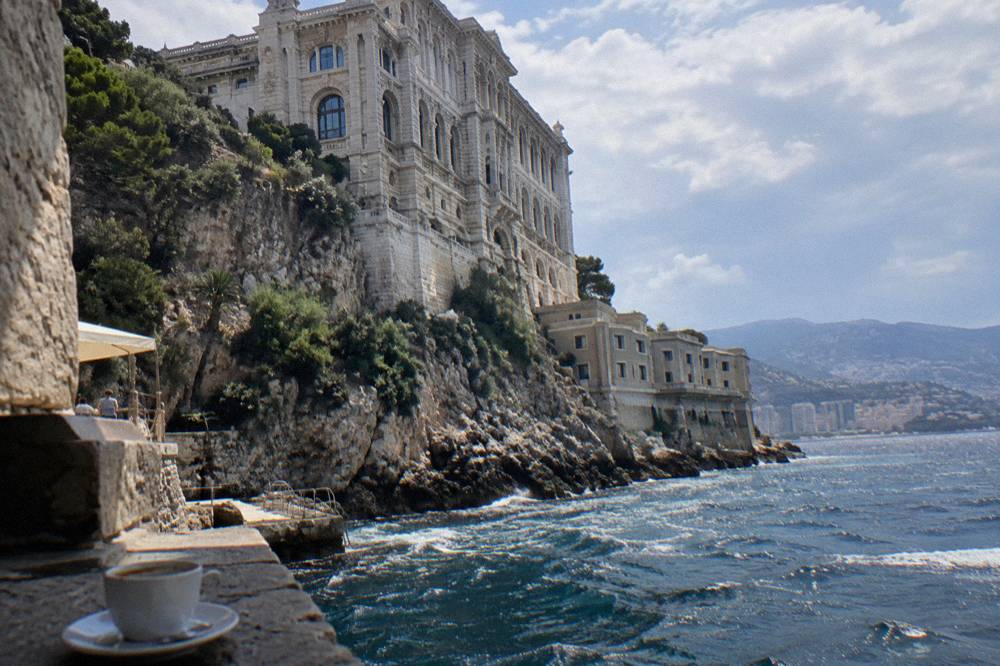
The Oceanographic Museum is the strongest indoor alternative. Its Mediterranean aquarium zone is under renovation with a reopening planned for spring 2028, and reduced rates apply during the works: 20.50 EUR per adult instead of the normal 22.50 EUR, and 13 EUR for children from 4 to 17. Hours run 10:00 to 18:00 with last entry at 17:30. The cathedral, where Grace Kelly and Prince Rainier III are buried, is free to enter outside religious services. The Jardin Exotique on the western cliff edge charges 12 EUR for the garden alone, 15 EUR with the cave or botanical centre, and 18 EUR with both, and it closes for the Grand Prix weekend, 19 November and 25 December. The casino's morning heritage visit costs 20 EUR, and gaming-room entry from 14:00 is 18-plus with ID, per the operator's published entry conditions. To plan the stop properly, our Oceanographic Museum visitor guide covers entry costs, opening hours, how long to allow inside, and how the museum slots into a day trip from Nice.
For Grand Prix fans, the circuit is a public street network 51 weeks a year. The Fairmont hairpin, the tunnel and the climb to the casino square are all walkable or drivable for free, and the 2027 race weekend runs 4 to 6 June; the Monaco Grand Prix circuit tour guide maps the corners. Two warnings: the palace, the Exotic Garden and several other sites close entirely for Grand Prix weekend, and there is no published official price list for grandstand seats., so check official channels before budgeting for tickets.
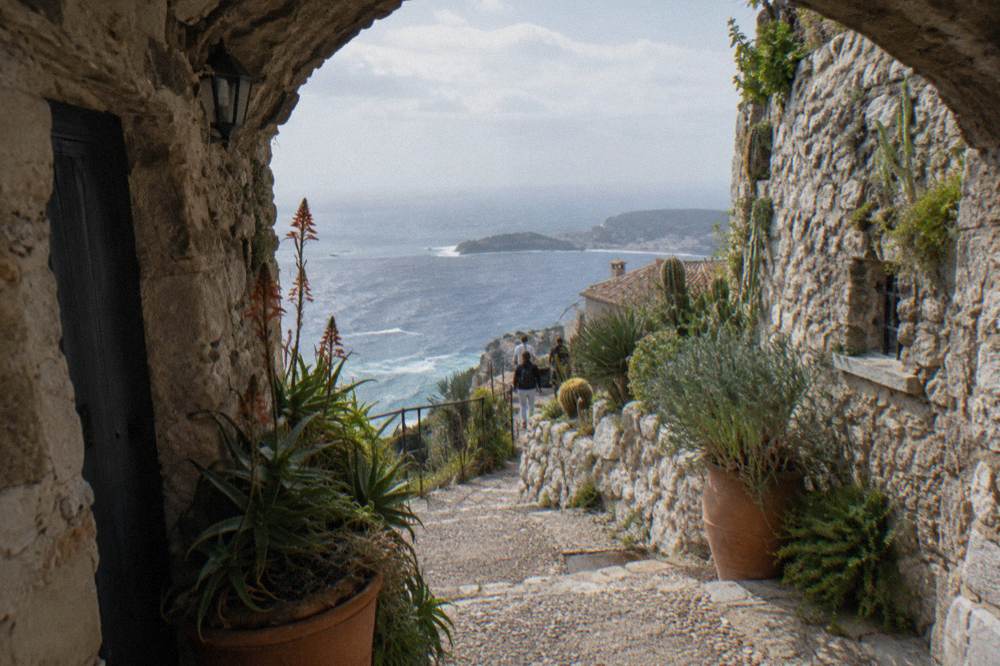
A small-group option fits travelers who want the hill village as well as the principality. The Monaco, Monte-Carlo and Eze Village small-group half-day keeps the group small and pairs the Rock with the medieval village above Eze, where the exotic hillside garden sits at the top of the village. Guided formats shine here because Eze Village is awkward by public transport, bus 82 from Nice is the direct link but runs infrequently, and a tour van removes the timetable risk.
What Should Americans Know About Money And Prices?
Monaco uses the euro, not a Monegasque currency or the dollar, and bring a card and a little cash, the casino asks for ID at the door, and its vouchers follow their own terms. Entry to the country is free; the costs are transport and sights. Budget roughly 6.10 EUR each way by train, 20.50 EUR for the museum and 20 EUR for the casino visit, with coffee around 4 to 5 EUR and a simple lunch averaging near 18 EUR.
The euro-only point surprises nobody who has been to France, but the price level does surprise Americans who haven't. Monaco is genuinely expensive: an inexpensive lunch averages around 18 EUR with a realistic range from 14 EUR past 50 EUR, a business-lunch style menu runs near 26 EUR, and a cappuccino is 4 to 5 EUR. None of this is mandatory. The cathedral, the Palace Square, the guard change, the port quays, the Japanese Garden, the public gardens on the Rock and Larvotto beach all cost nothing, and they make up half of a satisfying day.
| Item | Price | Basis |
|---|---|---|
| Train, Nice to Monaco | 6.10 EUR | Full single fare, one adult |
| Oceanographic Museum, adult | 20.50 EUR | Reduced rate during aquarium renovation |
| Casino morning heritage visit, adult | 20 EUR | 10:00 to 13:00, last entry 12:15 |
| Casino gaming rooms from 14:00 | 20 EUR | Includes a 10 EUR voucher, 18-plus with passport |
| Jardin Exotique, adult | 12 EUR | Garden only; 15 to 18 EUR with cave and centre |
| Cathedral | Free | Outside religious services |
| Coffee or cappuccino | about 4 to 5 EUR | Cafe average |
Tipping follows French practice rather than American practice: service is included by law in restaurant bills, so rounding up or leaving small change is normal and a US-style 20 percent is not expected. Waiters will not chase you for it. Tap water is drinkable, public toilets are common in the malls and museums, and the local bus network charges 1.50 EUR for a single paid by contactless or app, with a 24-hour pass at 5.50 EUR.
The casino voucher detail is worth knowing before you go. The 20 EUR entry from 14:00 includes a 10 EUR voucher usable at the slots, the bar or the restaurant, but the restaurant requires a 40 EUR spend to redeem it, and the dress code tightens from 14:00, banning shorts, ripped jeans, sportswear, trainers and men's sandals, with no T-shirts or sweats after 19:00. Americans used to Vegas casual should pack one step up.
When Is The Best Time For An American To Visit?
May and October hit the sweet spot: daytime highs around 20 to 21 degrees Celsius, roughly seven busy days a month by crowd-model estimates, and most major sights running, though the palace State Apartments shut on 15 October. July and August bring highs near 27 degrees and the densest crowds, with every day rated busy or packed. December through February are the calmest months, but the palace season is shut and daylight is short.
The climate record for Monaco shows how moderate the extremes are. July averages a high of 26.6 degrees and a low of 21; January manages a high of 13 and a low of 7.4, which is why the winter months still fill cafe terraces. Rain is the real variable: October and November average 7.3 and 7.1 rainy days respectively, while July averages just 1.7. Americans escaping a northern winter will find Monaco perfectly workable in January, just with shorter garden hours.
Event weeks change the calculation entirely. Grand Prix week, 4 to 6 June in 2027, turns the entire principality into a circuit, with road closures, packed crowds every day and closures of the palace, the Exotic Garden and other sites for the weekend. The E-Prix on 1 and 2 May 2027 and the Yacht Show from 22 to 25 September 2027 each bring their own surge. Crowd modeling rated every single day of June through August as busy or packed, with July packed on 26 days, while December had all 31 days calm. Cruise traffic adds 81 call days a year spread across every month except December and January, about 12 days each in September and October, which nudges the port area busy even in shoulder season. To weigh those swings against weather and prices, our month-by-month guide to the best time to visit Monaco pinpoints the calm sweet spots.
For Americans booking a summer trip, the practical advice is to invert the day: do the Rock and the outdoor sights early, the museum or casino at midday, and the gardens late when the light softens. For anyone with date flexibility, a Tuesday or Wednesday in May, checked against the event calendar, is about as good as this destination gets.
Should You Take A Guided Tour Or Go Independently?
Go independently for the palace rock, casino square and port on your own clock; the train makes that easy. Take a guided tour if you want Eze or La Turbie the same day, are on a cruise with a fixed departure, or would rather not read four timetables in French. Shared half-days from Nice start at $40.16 per person; full-day formats adding Monte-Carlo and Eze are priced on their live listings.
The independent case is strong for Monaco proper. The train from Nice is 20 minutes, the tourist core is compact, and the local bus network at 1.50 EUR a ride stitches the rock, the casino quarter and the port together cheaply. An American with a day, a passport and a 6.10 EUR train ticket has everything needed. The one day in Monaco itinerary walks that exact plan hour by hour.
The guided case wins on the periphery. Eze Village, perched high above its own train station, is the classic casualty of a do-it-yourself day: the bus is infrequent, the walk up is brutal in summer, and a half-day window does not absorb delays. La Turbie and its Trophy of Augustus, 7 EUR to enter and reachable by buses 102 and 106, is even harder without a vehicle. Guided formats also absorb the November engineering works risk: if trains are replaced by constrained buses, a tour van is unaffected.
For cruise passengers the calculus tips further toward tours. Villefranche-sur-Mer is a tender port, and the tender queue plus the uphill walk to the station plus the train can eat 90 minutes of a short call; shore excursion formats are built around that exact risk, and the Monaco shore excursions guide lays out the timing. Whichever way you lean, book the flexible option: shared tours from Nice generally offer free cancellation, so a weather change or a late ship need not cost the fare. Check availability on the operator's live listing before locking a date in Grand Prix or Yacht Show week, when inventory tightens fast.
Common Questions About US Citizens Visiting Monaco
Can A Us Citizen Visit Monaco?
Yes, with no visa and no special permission. A valid US passport is the only document required, entry works through France's visa-free arrangements, and there is no routine border check on the train or road from Nice.
Do US Citizens Need A Passport To Enter Monaco From France?
Carry one. There is no routine border control between France and Monaco, but Monaco is sovereign, police identity checks can occur, and the casino requires a passport or EU national ID card for gaming-room entry from 14:00. Driving licences and digital IDs are not accepted there.
Is Monaco Expensive For American Tourists?
It is expensive but manageable. Entry to the country is free, the cathedral and most viewpoints cost nothing, and the train from Nice is 6.10 EUR each way. Paid sights run from 12 EUR at the Exotic Garden to 20.50 EUR at the Oceanographic Museum, and a simple lunch averages near 18 EUR.
Can Americans Enter The Casino De Monte-Carlo?
Yes, from age 18 with a valid passport or national ID card. Morning heritage visits cost 20 EUR, and entry from 14:00 costs 20 EUR including a 10 EUR voucher. The dress code bars shorts, ripped jeans, sportswear and trainers in the gaming rooms, with no T-shirts or sweats after 19:00.
How Long Does It Take To Get From Nice To Monaco?
About 20 minutes by regional train, with a full single fare of 6.10 EUR. The coastal bus, line 600, takes about an hour and costs 2.10 EUR contactless or 2.50 EUR in cash. A shared helicopter from Nice airport takes about 7 minutes from roughly 195 EUR per seat.
Is The Prince's Palace Open To Visitors?
Not currently. The State Apartments closed for the season on 15 October 2026 and reopen in spring 2027, with no exact date published. The Palace Square, the exterior and the free changing of the guard at 11:55 each day remain accessible in the meantime.