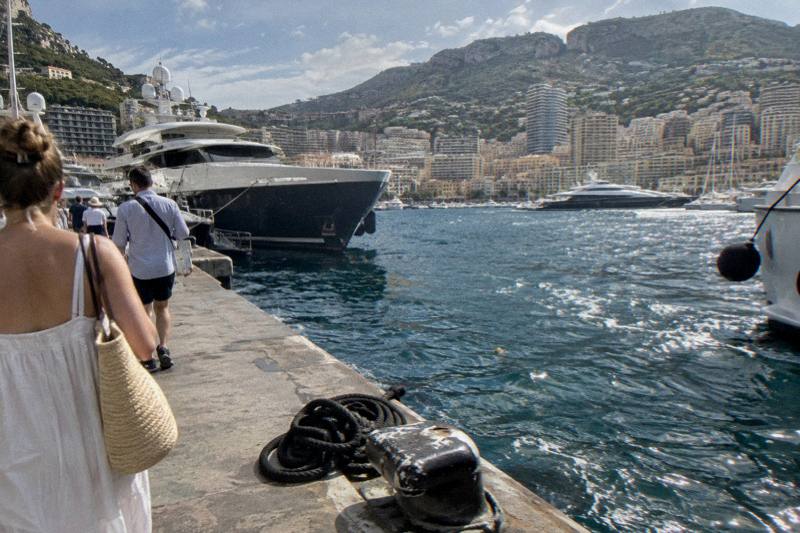
What To Wear In Monaco On A Day Trip
Monaco packs a casino with a dress code, a hilltop old town with cobbled lanes, and a coastline walk into two square kilometres, so what you wear shapes what you can actually do there.
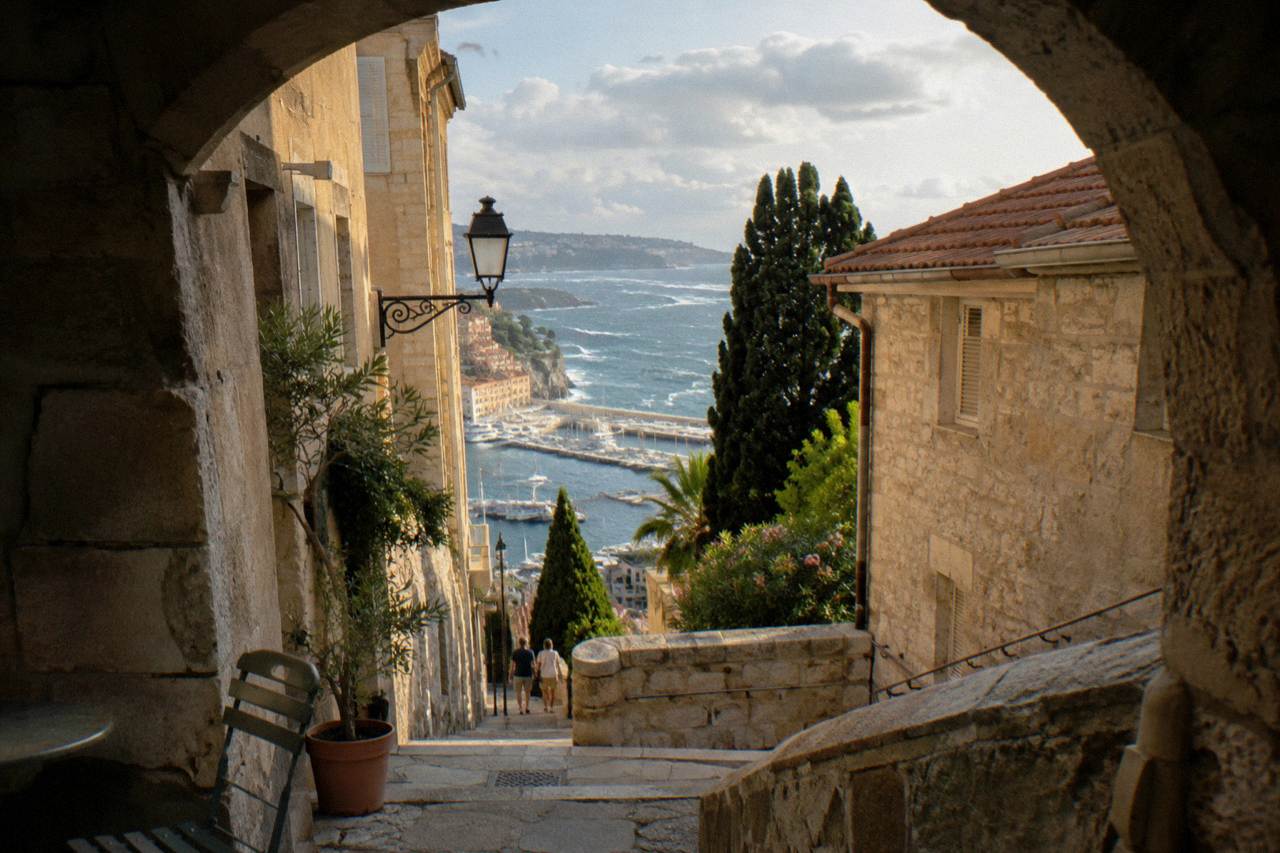
Short answer
Smart casual works almost everywhere in Monaco: jeans are accepted on the streets and at most sights, the Casino de Monte-Carlo enforces a real dress code from 14:00, and comfortable shoes matter more than style on the Rock's steep lanes. Daytime highs range from about 13°C in January to about 27°C in August, so layers carry most of the year.
Monaco is two square kilometres holding a medieval hilltop village, a Belle Epoque casino with entry rules printed on its own website, a yacht harbour, and a Formula 1 circuit that doubles as ordinary roads 51 weeks a year. That density is exactly why the clothing question comes up so often: a single day can involve a steep climb on the Rock, a museum, a café terrace, and, if you plan it, a gaming room that turns away trainers at the door. The good news is that none of this requires a suitcase of new clothes, only a handful of deliberate choices. Those clothing choices get easier once you know what your day actually holds, so start with the one-day Monaco itinerary before you pack.
The cheapest structured way to sample the principality, the shared half-day Eze, Monaco and Monte-Carlo trip from Nice, runs from $40.16 per person, and its stops span garden terraces, palace squares, and the casino forecourt, which is a fair summary of the dress problem in one itinerary. A certified-guide Monaco tour and the hop-on hop-off bus cover similar ground with different pacing. What follows is a sight-by-sight and season-by-season breakdown of what to wear, covering the casinos' own published entry conditions, official attraction pages, and Meteo-France climate data for the Monaco station. If you're visiting from the United States, the practical Monaco guide for American travelers covers entry rules, currency, language, and getting there from Nice.
What Should You Wear For A Day In Monaco?
Smart casual is the default across Monaco: neat trousers, jeans without rips, a shirt or blouse, a dress or skirt, and clean, closed shoes cover every public space except the casino gaming rooms after 14:00, where the written rules tighten sharply, and even there jeans without distressing pass. Beyond the Cathedral, nothing else on a normal itinerary has a code.
Monaco's residents dress well, and visitors subconsciously calibrate to that, but no sight outside the casino will refuse you. The Cathedral is free and open to anyone dressed for a place of worship, the Oceanographic Museum sells the same ticket regardless of footwear, and the palace square does not care about fabric. The practical constraints are geography, not etiquette: the walk from the port up to the Prince's Palace climbs roughly the height of a 20-storey building via ramps and steps, and the tourist bus drops you a stiff uphill stretch from the viewpoints. Shoes you can climb in are the single most useful item on the list.
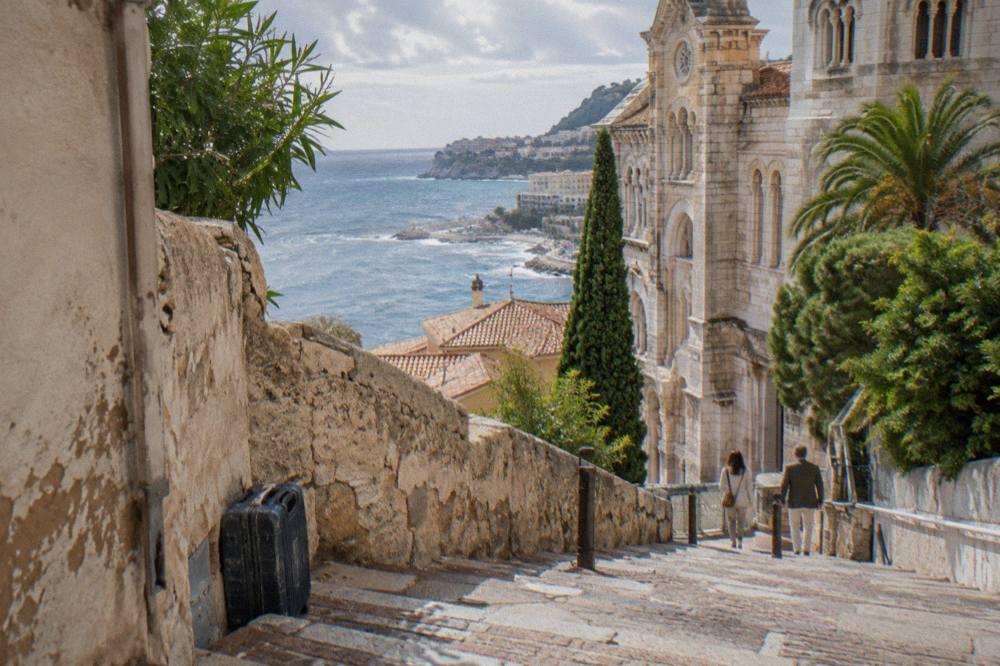
That climb is also why the "Monaco look" you see in photos, linen and loafers and sunglasses, is half aesthetic and half engineering. Cobblestones, polished marble casino floors, and steep public elevators reward flat or low shoes with real grip. Save the heels for the evening if you are staying for dinner, and even then know that many restaurant terraces sit at the end of cobbled lanes.
Season swings the base layer more than the style does. July and August average daytime highs around 27°C with lows near 21°C, so light fabrics and a hat carry the day, while January sits at about 13°C high and 7°C low, which is genuine jacket weather on the exposed palace terraces. May, June, September, and October are the comfortable middle, and layers resolve all of them.
| Item | Why it earns its place | Where it matters most |
|---|---|---|
| Comfortable walking shoes with grip | The Rock climb and stepped lanes | Monaco-Ville, Eze Village |
| Neat jeans or chinos, no rips | Pass everywhere including casino mornings | Whole day |
| Collared shirt or blouse | Casino-safe, terrace-appropriate | Monte-Carlo |
| Light layers or a packable jacket | Sea breeze and 10-degree evening drops | Waterfront, viewpoints |
| Sunglasses and sunscreen | Strong Mediterranean glare off the harbour | Port Hercule, gardens |
| One dressier outfit | Casino gaming rooms after 14:00 | Casino de Monte-Carlo |
With your outfit sorted, the next question is what documents to carry, and the passport rules for the Nice to Monaco trip explain why the casino asks for more than a collared shirt.
The question of what to wear also depends on how you are arriving. Cruise passengers tendering into Villefranche-sur-Mer or Monaco itself face the same hills with less flexibility, since there is no hotel room to stash a change of clothes, so the day's outfit has to do everything. The shore excursion rundown on Monaco shore excursions notes how tight some port timetables are, and a tight timetable is an argument for one outfit that climbs, dines, and photographs well rather than two outfits and a plan.
Can I Wear Jeans In Monaco?
Yes, plain jeans are welcome across Monaco: on the streets, at the palace square, in the Oceanographic Museum, the Exotic Garden, cafés, and most restaurants. The single written exception is the Casino de Monte-Carlo's gaming rooms from 14:00, where ripped or distressed jeans are explicitly named on the operator's own entry-conditions page as prohibited attire.
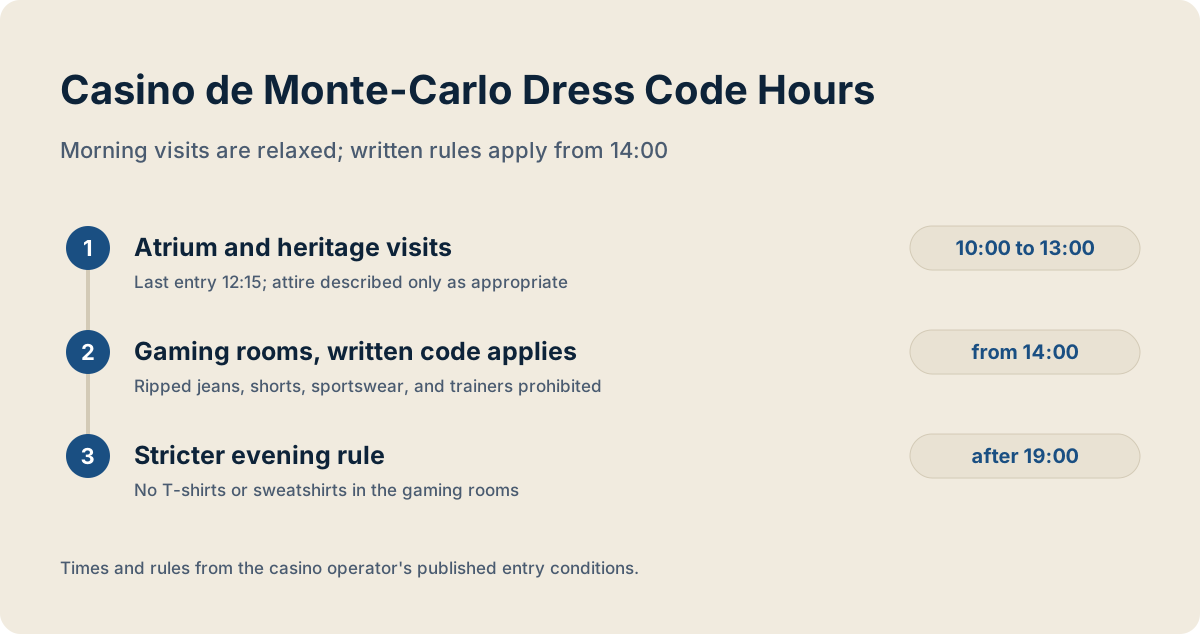
That page, published by the casino's operator, lists what its door staff will not admit after 14:00: shorts and bermudas, ripped jeans, sportswear, trainers and running shoes, men's flip-flops and sandals, vest tops, and beachwear. It also adds a rule for later in the evening: no T-shirts or sweatshirts after 19:00. Note the wording carefully. Ripped jeans are banned; intact, ordinary jeans are not on the list at all. Dark, unripped jeans, closed leather shoes, and a collared shirt fit the stated dress code, though entry to the gaming rooms stays subject to management discretion at the door., because nothing they wear appears in the prohibited column.
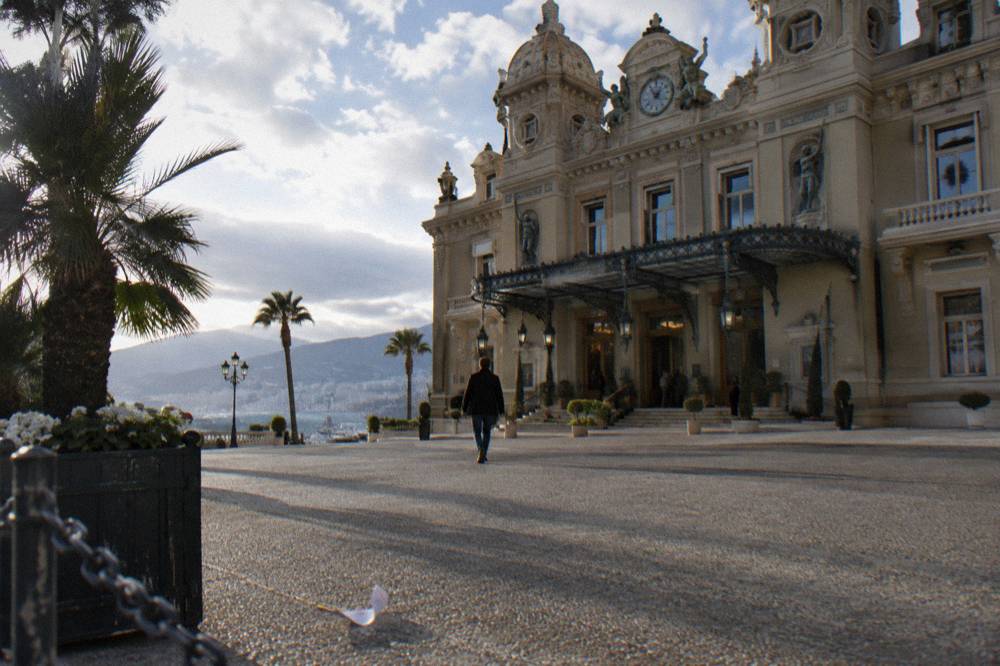
The morning heritage visit is a different product with a looser frame. From 10:00 to 13:00, with last entry at 12:15, the casino sells visits to the Atrium and heritage spaces for 20 EUR adult, 15 EUR for ages 13 to 17, and free for 6 to 12, and attire there is described only as appropriate rather than subject to the gaming-room list. If jeans are your travel uniform and you want to see inside the building, going in the morning sidesteps the question entirely. From 14:00, entry costs 20 EUR and includes a 10 EUR voucher usable at the slots, bar, or restaurant, with conditions, and the full dress code applies along with the age rule: 18 plus a day, with a passport or national ID card required, and driving licences and digital IDs not accepted.
Beyond the casino, jeans carry no penalty anywhere in the principality, and they are arguably the rational choice given the surfaces. Denim survives cobbles, marble steps, garden gravel, and the sea-facing terraces of the Exotic Garden, where the same hardy fabric sees you through a full day of walking in the Principality. If you are pairing Monaco with Eze Village on the classic Riviera loop, jeans and grippy shoes are close to the uniform of the place.
| Situation | Jeans status | Notes |
|---|---|---|
| Streets, palace square, gardens | Fully accepted | No code anywhere |
| Oceanographic Museum, Exotic Garden | Fully accepted | 20.50 EUR adult museum entry during aquarium renovation |
| Casino Atrium morning visit | Accepted | Appropriate attire standard, 10:00 to 13:00 |
| Casino gaming rooms from 14:00 | Accepted if unripped | Ripped jeans explicitly prohibited |
| Upscale restaurants, after 19:00 | Depends on venue | Smart pairings; check when booking |
| Beach and Larvotto | Your call | Not a dress issue, a comfort one |
One honest caveat: door discretion is written into the casino's own conditions, so individual staff judgement always has the final word. Dress one notch above the written minimum and the question never arises. The deeper rundown of fabrics, shoe rules, and what the after-19:00 clause means in practice is on the Monte Carlo casino dress code page.
What Is The Dress Code At The Casino De Monte-Carlo?
From 14:00 the gaming rooms require smart attire: no shorts, no ripped jeans, no sportswear, no trainers, no men's flip-flops or sandals, no vest tops, no beachwear, and no T-shirts or sweatshirts after 19:00, with 18-plus age and a passport or national ID enforced, per the operator's official entry-conditions page. Mornings ask only for appropriate attire.
Treat that as a real code, not a suggestion. The casino is one of the few places on the Riviera where the door actively turns people away, and the people it turns away are almost always dressed for the beach. Men are safest in trousers, closed leather shoes, and a collared shirt, and jackets are welcome but not demanded. Women have similar latitude: a dress, skirt or smart trousers with proper shoes clears the bar comfortably. The prohibited list is specific about trainers, which catches out visitors who spent the day climbing the Rock in running shoes, so if the casino is on the agenda, carry or wear an alternative.
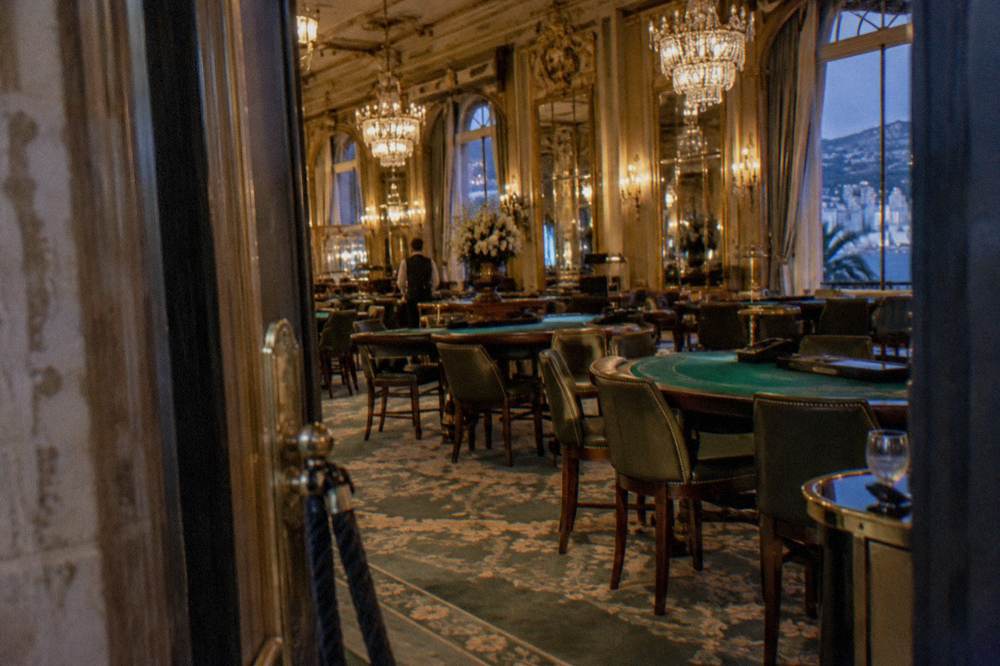
Timing changes everything. The heritage visit window, 10:00 to 13:00, lets you see the Atrium and the architecture in daytime clothes; the gaming rooms open from 14:00 and run to around 04:00, and the dress expectation sharpens as the evening does. Anyone planning dinner in Monte-Carlo followed by the tables should simply dress for dinner and stay dressed. Full conditions, including the voucher terms attached to the 20 EUR evening entry, are on the operator's official prices and entry-conditions page.
It is worth separating the Casino de Monte-Carlo from its neighbours in the same square. The Café de Paris and other terrace establishments around Place du Casino are ordinary public venues with no gaming-room code, and they are where most visitors in shorts and sneakers actually spend their afternoon. The code applies inside the historic casino building, and only from its afternoon opening onward.
A guided visit changes the dress arithmetic slightly, mainly by fixing your schedule. The Monaco tour with a certified guide walks the Rock, the old town, and the casino quarter with a local guide, and the morning departure means you can dress for a full day of walking and still look at ease around the casino's grand entrance in neat casual clothes. Check availability if a guided structure appeals.
What Should You Wear On The Rock And In Monaco-Ville?
Wear proper walking shoes, weather-matched layers, and modest attire for the Cathedral, and nothing dressy at all: the Rock and Monaco-Ville are a steep, sun-exposed medieval quarter where the climb, the steps, and the reflective stone matter far more than style, and no sight on the hill enforces a dress code.
The practical facts first. The Prince's Palace sits at the top of the Rock, and reaching Place du Palais from the port means either a stiff walk up switchback lanes or the public lifts and escalators that connect the levels; either way you will be on foot on inclined stone for a meaningful part of the visit. The changing of the guard happens daily at 11:55 in the palace courtyard and costs nothing to watch, which pulls most day-trippers up the hill before noon, in whatever they arrived in. That is fine, because the square asks nothing of your outfit beyond shoe sense.
Inside the palace itself, the State Apartments are closed for the season: the 2026 visiting window ran from late March to mid-October, and the official palace site states they reopen in spring 2027 without publishing a date. Until then the exterior, the square, and the guard ceremony are the palace experience, and there is no wardrobe implication beyond sun protection, since the exposed terraces offer little shade in summer. The full context is on the Prince's Palace of Monaco page.
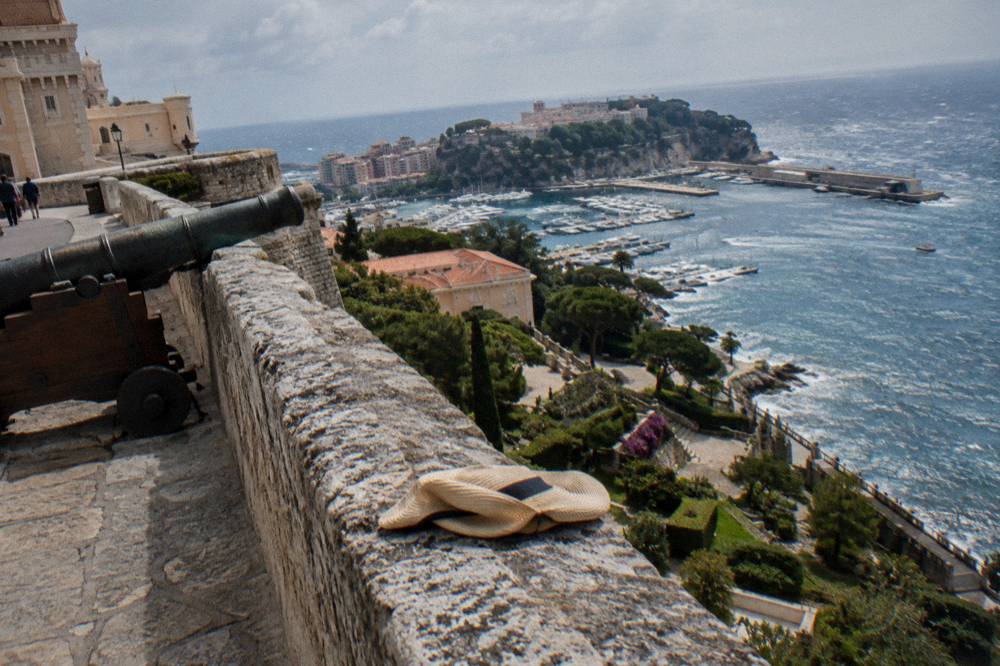
The Cathedral of Our Lady Immaculate is the one spot on the Rock with a soft expectation rather than a rule: it is a working place of worship with free admission, so covered shoulders are a courteous choice in high summer, and hats off inside. It holds the tombs of Grace Kelly and Prince Rainier III, which is why nearly every visitor walks in. Elsewhere in Monaco-Ville the only real dress factor is the microclimate: the hilltop catches the sea breeze, so a layer that was surplus down at the port earns its keep up top, particularly outside summer.
| Location on the Rock | Dress factor | Best footwear |
|---|---|---|
| Place du Palais and guard change | Sun exposure, crowds | Grip soles |
| Cathedral interior | Quiet worship space, free entry | Any, quiet on stone |
| Oceanographic Museum | Indoor, air-conditioned galleries | Comfortable, all-day shoes |
| Ramparts and Jardin Saint-Martin | Wind and reflected glare | Grip soles, hat |
| Descent to port via steps | Steep, polished in places | No smooth soles |
The Oceanographic Museum sits on the cliff edge of the same plateau, and it is a large building: adult entry is 20.50 EUR at reduced rates while the Mediterranean aquarium zone is renovated ahead of a planned 2028 reopening, and the rest of the museum, including the tropical aquarium, stays open. Hours run 10:00 to 18:00 daily with last entry at 17:30. Indoors, climate control means a light layer again beats a heavy coat, which you would otherwise be carrying through three floors of galleries.
How Does The Season Change What To Pack?
Pack around a 13°C to 27°C annual daytime range: light fabrics, sun protection, and a breeze layer from May to September, and a real jacket, warm layers, and a compact umbrella from November to March, with the in-between months rewarding the classic layered approach of a light jumper plus a windproof outer.
The Meteo-France climate normals for the Monaco station give the honest numbers. Midwinter sits at 13°C highs and 7°C lows in both January and February; spring climbs through 15°C in March to 20°C in May; summer plateaus near 27°C in July and August with overnight lows around 21°C; and autumn eases back through 24°C in September to 21°C in October and 16°C in November. Rain tells its own story: July averages 1.7 rainy days, August 2.5, while October and November both average 7.3, making late autumn the statistically dampest stretch of the year. The underlying data is published in the Meteo-France climate sheet for the Monaco station.
Summer dressing in Monaco is about sun management rather than warmth. Light colours, a hat, sunglasses, and sunscreen matter on the exposed palace terraces and the Larvotto beach esplanade, and a light overshirt doubles as both breeze protection and an adequacy layer for the casino's appropriate-attire morning standard. One summer nuance: recent years have pushed records upward, with a new all-time high of 35.7°C set in August 2025, so a midday indoor slot at the Oceanographic Museum is a sound heat-avoidance move as much as a sightseeing one. The rest of the planning pages sit on Monaco Day Trips.
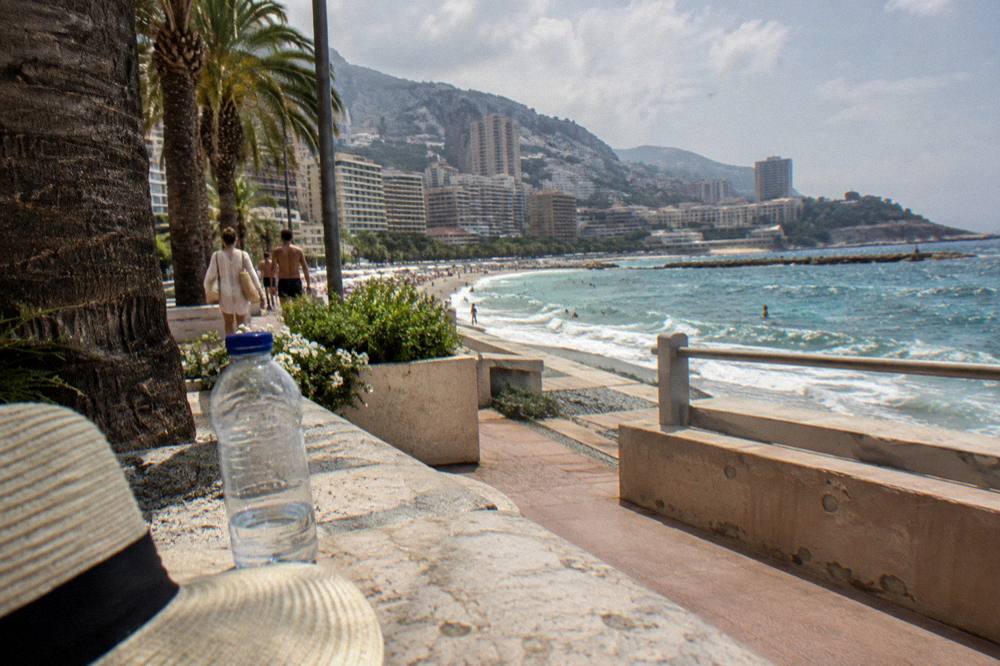
Winter is milder than most visitors expect but genuinely cool in the wind. A warm mid-layer under a windproof jacket, closed shoes, and a scarf cover January's 7°C evenings comfortably, and the same outfit works on the terrace cafés that stay open year-round. Note that winter hours tighten at some sites: the Exotic Garden runs 9:00 to 17:00 in January, November, and December against 9:00 to 19:00 from May to September, so winter days compress toward daylight, and clothing that works while walking, not while sitting, is the priority.
| Month | Average high / low | Rainy days (1 mm+) | Clothing priorities |
|---|---|---|---|
| January | 13°C / 7°C | 6.0 | Warm layers, windproof jacket |
| March | 15°C / 9°C | 4.5 | Layers, light rain option |
| May | 20°C / 15°C | 5.5 | Light layers, evening jumper |
| July | 27°C / 21°C | 1.7 | Sun hat, light fabrics, sunscreen |
| September | 24°C / 18°C | 5.1 | Light layers, warm evenings |
| October | 21°C / 15°C | 7.3 | Layers plus rain layer |
| November | 17°C / 11°C | 7.1 | Jacket, umbrella, closed shoes |
Crowding tracks the calendar almost as strongly as the weather, and crowds affect clothing comfort in a small place. June through August are the busiest stretch, with event peaks such as the Grand Prix weekend, scheduled 4 to 6 June 2027, closing the palace, the Exotic Garden, and other sites entirely and filling the principality wall to wall, so breathable fabrics and shoes that survive standing matter more than usual. The month-by-month trade-offs, including crowd rankings, are laid out on the best time to visit Monaco page.
| Season | Footwear | Layers | Extras |
|---|---|---|---|
| Spring (Mar-May) | Closed walking shoes | Light jumper plus jacket | Umbrella for March-April |
| Summer (Jun-Aug) | Breathable, grippy | Minimal, one evening layer | Hat, sunscreen, water bottle |
| Autumn (Sep-Nov) | Closed, water-tolerant | Layered, rain-ready | Compact umbrella |
| Winter (Dec-Feb) | Warm, closed | Insulated mid-layer, windproof | Scarf, gloves for evenings |
What Shoes Work For Monaco, Eze, And The Coastal Walks?
Flat shoes with real grip will serve you best almost everywhere: the sloping cobbles of Monaco-Ville, the worn medieval paving in Eze Village, the quays around the port, and gravel paths in gardens. The one place to dress up a little is the casino, where a smart standard applies and scruffy footwear can mean being turned away.
Start with the Rock, because it is the hardest terrain. The lanes from the port up to the palace are stepped, polished by centuries of feet, and steep enough that smooth soles slide when damp. The same goes for the descent, where tired legs meet downhill grades. Eze Village, a fixture of most Riviera day tours from Nice, doubles the challenge: its cobblestones are genuinely medieval, irregular, and frequently slick, and the exotic garden terracing at the top adds gravel paths. Cactus spines line some paths in the garden at the top of Eze village, so closed shoes beat sandals there on comfort grounds alone.
The port and waterfront are the easy miles, flat and paved, and the Japanese Garden and Larvotto promenade are gentle strolls. But note how a Monaco day distributes its walking: the flat parts are short and the climbing parts cluster at the start and end. If you are doing a self-guided day by train from Nice, the 6.10 EUR single fare and roughly 20-minute ride drop you at Monaco-Monte-Carlo station, which sits in a cutting below the town, so the day begins with an ascent to reach either the Rock or the casino quarter. Comfortable shoes pay for themselves in the first ten minutes.
Footwear also interacts with the itinerary product you choose. The shared half-day from Nice that pairs Eze, Monaco, and Monte-Carlo for from $40.16 per person is coach-based, but its stops involve exactly the cobbles and climbs described above, so bus tours do not exempt you from shoe logic. The hop-on hop-off bus, with its own pricing on the live listing, minimizes total walking between sights, which makes it the friendliest option for visitors whose shoes are more decorative than functional. Check availability if minimizing distance is the priority.
What Should You Wear On A Tour From Nice Or Cannes?
Dress for the strictest single stop on the itinerary: neat casual with comfortable walking shoes covers Eze's cobbles, Monaco's climbs, and the casino's morning visits on standard Riviera day tours, while adding proper closed shoes and skipping rips, sportswear, and shorts makes the same outfit casino-proof after 14:00.
Most structured days from Nice follow the same skeleton: a stop in Eze Village, often with a Fragonard perfume-factory stop among the included visits, then Monaco's Rock and Monte-Carlo, sometimes with La Turbie, where the Trophy of Augustus monument charges 7 EUR entry. None of that list requires anything dressy, and the perfume factories and Trophée d'Auguste are ordinary visitor sites. The one wardrobe decision that matters is whether your afternoon in Monte-Carlo includes the casino's gaming rooms, and if it does, the closed-shoes, unripped-jeans, collared-shirt formula from earlier solves it without a costume change.
Weather layers come along for the ride, because the tour route spans microclimates. Nice's waterfront in summer feels hotter than Monaco's breezy hilltop, and Eze Village, perched 400-plus metres above the sea, runs cooler and windier than either, so a light layer you can tie around your waist is the standard guide recommendation. In the October-to-April window, bring the rain option without fail: those months average five to seven rainy days each, and a coach day offers limited shelter during photo stops.
Read the tour's own description before finalizing, because inclusion details vary listing to listing: pickup points, durations, and whether free cancellation applies are stated on each operator's page, not implied. Two similarly named products can differ in departure city, duration, and stops, so the listing, not the title, tells you whether Eze is included and how much walking is programmed. Checking that detail is exactly what distinguishes a comfortable outfit from an adequate one.
The Eze and Monaco tour and Monaco tour from Nice pages compare those itinerary shapes stop by stop, and the practical dress conclusion from all of them is the same: one smart-casual outfit, good shoes, and a layer covers every season except midwinter, where you add warmth rather than change approach.
What Should Cruise Passengers Wear Ashore?
Cruise visitors should dress in one do-everything outfit, smart-casual with serious walking shoes, because tender rides, steep climbs, and possible casino or cathedral stops all land in the same day with nowhere to change, and sea conditions on the tender can dampen hemlines and fine shoes.
Both ports that serve Monaco involve small-boat transfers. Villefranche-sur-Mer is a tender port, with ships anchoring in the bay and boats running to the village quay, and Monaco's own cruise calls likewise tender passengers ashore to the harbour. Neither transfer is dramatic, but both involve stepping onto and off of moving boats, sometimes with a queue, so unstable footwear adds risk with no upside. From Villefranche, the train station is a short uphill walk and direct trains reach Monaco in 11 to 16 minutes, which means the shore day starts and ends with walking regardless of plan.
The single-outfit logic follows from that structure. A cruise day in Monaco typically compresses the Rock climb, a museum or cathedral stop, port-side wandering, and possibly Monte-Carlo into six to eight hours. The outfit that survives all of it is the one described throughout this guide: neat, layered, flat-shoed, sun-protected. Anyone set on the casino gaming rooms should plan the visit for after 14:00, carry ID, and have the closed shoes on from the morning, since there is no cabin to return to. The port-to-principality logistics, including tender details and train fares, are covered on the Villefranche cruise port to Monaco page.
Common Questions About What To Wear In Monaco
Can I Wear Jeans In Monaco?
Yes. Plain, unripped jeans are accepted on every street, at every sight, and even inside the Casino de Monte-Carlo's gaming rooms after 14:00, where the operator's published rules prohibit only ripped or distressed denim, along with shorts, sportswear, trainers, and similar beachwear. If jeans are your travel uniform, wear them and spend your worry elsewhere.
Can You Do A Day Trip From Cannes To Monaco?
Yes, direct trains link Cannes and Monaco in about an hour from roughly 10 to 13 EUR each way, and guided day tours from Cannes that include Monaco run with pricing shown on the live listings. Dress-wise it is the same day as from Nice: smart casual, walking shoes, and the casino additions only if the gaming rooms are on your plan.
Do I Need Dress Shoes For The Monte-Carlo Casino?
You need closed, clean shoes that are not trainers or running shoes after 14:00; leather shoes, loafers, or any proper non-athletic shoe meets the published standard. For the morning heritage visit from 10:00 to 13:00, the requirement relaxes to appropriate attire, and ordinary neat casual footwear passes.
What Should I Wear In Monaco In Summer?
Light, breathable fabrics, a hat, sunglasses, and sunscreen, with one layer for air-conditioned museums and breezy evenings: July and August average 27°C daytime and 21°C overnight, with under three rainy days a month. Comfortable, grippy shoes still matter, since the Rock climb and cobbles do not flatten for the heat.
Are Shorts Allowed Anywhere In Monaco?
On the streets, at the beach, in the gardens, and at the museums, yes. Inside the casino gaming rooms from 14:00, no: shorts and bermudas are named on the operator's prohibited list, alongside sportswear and beachwear. Terrace cafés around Place du Casino have no such code.
What Shoes Are Best For A Day In Monaco And Eze?
Flat or low shoes with real grip. Monaco-Ville's lanes are steep and polished, Eze Village's cobbles are irregular and often damp, and both involve sustained climbing. If the casino is on your afternoon plan, choose closed non-athletic shoes so the same pair works from hilltop to gaming room.